




Selecting a floor scrubber dryer involves more than comparing cleaning widths or tank capacities. A machine that performs well in one facility may be inefficient in another due to differences in floor type, cleaning frequency, layout, obstacles, and operating requirements.
This guide explains the key factors facility managers should evaluate when selecting a commercial or industrial scrubber dryer
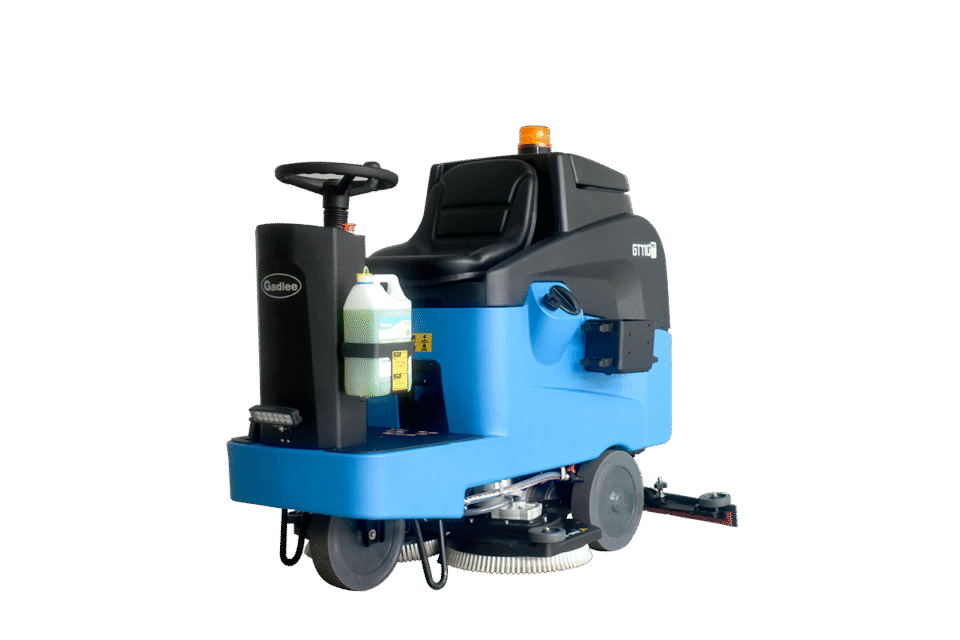
1.Evaluate Cleaning Area and Practical Productivity
The first step is understanding how much floor area must be cleaned during each cleaning cycle. Most manufacturers publish theoretical productivity based on maximum travel speed and cleaning width. However, actual productivity is usually lower because operators must slow down for turns, obstacles, ramps, refilling, and traffic.
As a general guideline, practical productivity is often approximately 50% of the theoretical productivity. When estimating machine size, consider:
- Total cleaning area
- Daily cleaning frequency
- Available cleaning time
- Aisle width
- Obstacles and equipment
- Ramps and slopes
- Battery runtime requirements
Recommended Machine Type by Cleaning Area
| Cleaning Area | Recommended Machine Type |
| Under 2,000 m² | Walk-behind Scrubber |
| 2,000–5,000 m² | Walk-behind or Compact Ride-on Scrubber |
| 5,000–10,000 m² | Ride-on Scrubber |
| Above 10,000 m² | Large Ride-on Scrubber |
For facilities with limited cleaning windows, a larger machine may be justified even if the total area is relatively small.
- Assess Facility Requirements and Cleaning Conditions
Cleaning requirements vary across industries. Rather than selecting a machine solely based on facility type, it is more effective to identify the specific cleaning challenges within the environment.
Healthcare, Education, and Public Facilities
Hospitals, schools, libraries, and shopping centers often require:
- Low operating noise
- Immediate floor drying
- Frequent daytime cleaning
Machines equipped with ECO mode can reduce noise levels and water consumption, making them suitable for occupied environments.
Warehouses and Logistics Centers
Large warehouses typically prioritize:
- High productivity
- Long operating time
- Large solution and recovery tanks
- Efficient cleaning of open areas
Ride-on scrubbers are often preferred because they improve operator productivity and reduce cleaning time.
Manufacturing Facilities
Production environments may involve:
- Oil residues
- Grease contamination
- Heavy soil accumulation
- Rough concrete floors
In these situations, higher brush pressure, appropriate cleaning chemicals, and oil-resistant squeegee materials can improve cleaning performance.
- Match Brushes, Pads, and Chemicals to Floor Conditions
The cleaning result depends not only on the machine itself but also on selecting the correct brush, pad, and cleaning solution.
Brush Selection
Soft brushes are generally recommended for sensitive surfaces and routine maintenance cleaning. Harder brushes may be more suitable for rough concrete or heavily soiled floors. When testing a new floor surface, it is advisable to begin with a softer brush to avoid unnecessary surface damage.
Pad Selection
Different floor pads are designed for different cleaning tasks.
White pad best for:
- Polishing
- Light cleaning
- Smooth finished floors
Red pad best for:
- Daily maintenance cleaning
- Light to medium soil removal
Black pad best for:
- Heavy-duty cleaning
- Floor stripping
- Removal of stubborn dirt and old floor finish
Selecting the correct pad can significantly improve cleaning efficiency while reducing unnecessary wear on the floor.
Cleaning Chemicals
Different contaminants require different cleaning solutions. For example, oily contamination often requires alkaline cleaners designed for grease removal. Matching the cleaning chemical to the soil type improves cleaning effectiveness and helps reduce excessive chemical consumption.
4. Disc vs. Cylindrical Scrub Decks
One of the most important equipment decisions is selecting the appropriate scrub deck type.
Disc Scrub Decks
Disc scrubbers use circular brushes or floor pads.
Advantages
- Suitable for smooth floors
- Compatible with a wide range of pads
- Effective for polishing and floor restoration
- Lower consumable costs in many applications
Best Applications
- Tile floors
- Vinyl floors
- Polished concrete
- Retail environments
- Commercial buildings
Considerations
Large debris should be removed before scrubbing.
Cylindrical Scrub Decks
Cylindrical scrubbers use rotating roller brushes.
Advantages
- Can collect small debris while scrubbing
- Effective on textured surfaces
- Cleans grout lines more effectively
- May reduce pre-sweeping requirements
Best Applications
- Warehouses
- Manufacturing facilities
- Anti-slip floors
- Textured tiles
- Industrial environments
Considerations
Brush replacement costs may be higher depending on the application.
5. Choose the Right Battery Technology
Battery selection affects machine availability, charging flexibility, and maintenance requirements.
Lead-Acid Batteries Advantages:
- Proven technology
- Stable performance
- Lower initial investment
Suitable for:
- Single-shift operations
- Facilities with established charging procedures
- Applications with strict battery management requirements
Lithium-Ion Batteries Advantages:
- Opportunity charging
- Faster charging times
- Maintenance-free operation
- Consistent power output
Suitable for:
- Multi-shift cleaning
- High-utilization facilities
- Operations seeking maximum flexibility
The best battery choice depends on the facility’s operating schedule and maintenance capabilities.
6. Chemical Dosing Systems
Some scrubber dryers are equipped with chemical dosing systems. These systems automatically mix water and detergent at a predetermined ratio.
Benefits include:
- Consistent cleaning results
- Reduced operator error
- Less chemical waste
- Simplified daily operation
For facilities with multiple operators, automatic dosing can help standardize cleaning performance across shifts.
- Facility Assessment Checklist
Before selecting a floor scrubber, evaluate the following:
- Total cleaning area
- Floor type
- Soil type
- Cleaning frequency
- Available cleaning time
- Aisle width
- Obstacles and equipment
- Slopes and ramps
- Battery runtime requirements
- Noise restrictions
- Preferred battery technology
Completing this assessment helps ensure the selected machine matches the facility’s actual operating requirements.
8. Common Mistakes When Choosing a Floor Scrubber
Many buyers focus only on machine specifications and overlook practical operating conditions.
Common mistakes include:
- Choosing based only on theoretical productivity
- Ignoring daily cleaning frequency
- Selecting the wrong brush or pad type
- Underestimating battery runtime requirements
- Overlooking aisle width and facility layout
- Selecting a machine larger than necessary
- Failing to evaluate floor surface conditions
Avoiding these issues can improve productivity and reduce total operating costs.
Conclusion
Choosing the right industrial floor scrubber requires balancing cleaning area, facility layout, floor conditions, operating schedules, and maintenance requirements. A structured evaluation process helps facility managers select equipment that delivers efficient cleaning performance while supporting long-term operational goals.
By assessing productivity requirements, scrub deck types, battery technology, and cleaning conditions together, organizations can make a more informed scrubber selection decision.
FAQ
How do I calculate the right floor scrubber size?
Start with the actual area that must be cleaned rather than the total building area. Estimate practical productivity at approximately 50% of the manufacturer’s theoretical rating and consider cleaning frequency, available cleaning time, and facility obstacles.
Should I choose a walk-behind or ride-on scrubber?
Walk-behind scrubbers are generally suitable for smaller areas and narrow aisles. Ride-on scrubbers improve productivity in larger facilities with more open floor space.
When should I choose a cylindrical scrub deck?
Cylindrical decks are typically preferred for textured floors, grout lines, anti-slip surfaces, and environments containing small debris.
Which battery type is better, lead-acid or lithium-ion?
Neither is universally better. Lead-acid batteries are well suited to predictable cleaning schedules, while lithium-ion batteries offer greater flexibility, faster charging, and reduced maintenance.
Do I need an automatic chemical dosing system?
Automatic dosing systems can improve consistency and reduce detergent waste, particularly in facilities with multiple operators or varying cleaning shifts.
 English
 Chinese
 German
 French
 Spanish
 Japanese