




Are your professional floor scrubbers failing you? Understanding and fixing common operational problems
Investing in a professional scrubber dryer is a commitment to efficient, consistent, and hygienic cleaning. However, when the machine underperforms, productivity drops, and cleaning quality suffers. The good news is that most issues are not major mechanical failures but rather simple operational or maintenance errors that can be quickly resolved.
When used correctly and maintained according to the manufacturer’s manual, a professional scrubber dryer will operate reliably and efficiently. The following sections outline the most common problems operators face and provide practical, expert-backed solutions to get your machine back to peak performance.
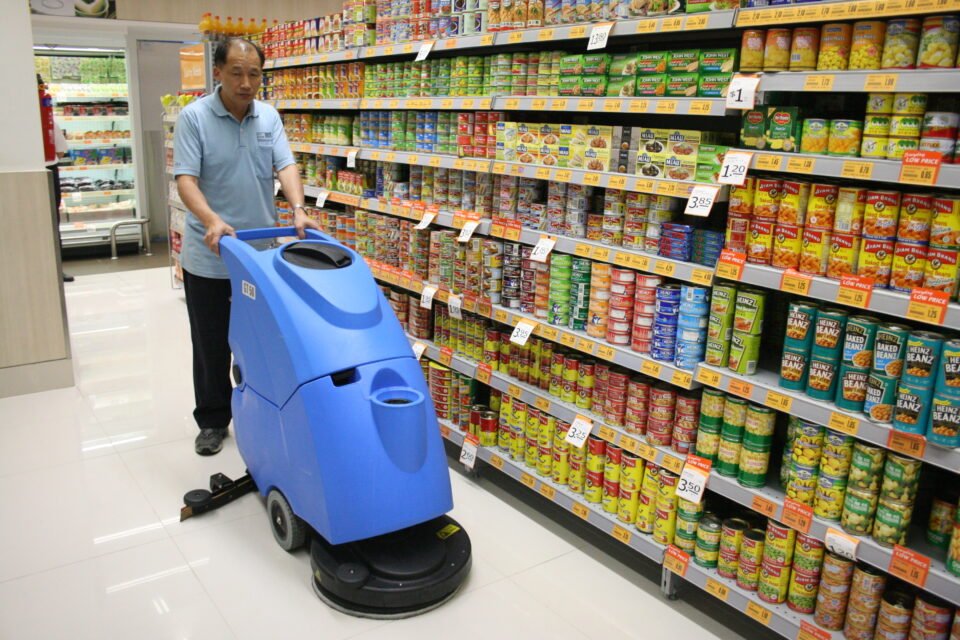
1. No water flow: when the brushes run dry
A steady and sufficient water supply is essential for the scrubber to deliver effective cleaning results. If there is no water flow or the brushes seem dry, follow these steps:
Troubleshooting Steps:
1. Check the water tap: Make sure the main water valve is open.
2. Check the solution tank: Confirm that there is enough clean water or cleaning solution inside.
3. Check the water filter: Clean or replace the water filter if it’s clogged with debris or scale buildup.
Common cause & solution:
Operators often assume the water pump is damaged, but most “no water” cases are due to blocked filters or closed valves. Regularly cleaning filters and inspecting water hoses will prevent this problem.
2. Watermarks Left on the Floor: Poor Cleaning or Streaking Results
If your scrubber leaves streaks, watermarks, or residue after cleaning, it indicates that the recovery system or squeegee isn’t performing properly.
Troubleshooting steps:
1. Check if the floor surface is too soft: Certain delicate floors may react differently to squeegee pressure.
2. Check for objects between the squeegee blades: Remove debris such as hair, paper, or sand particles.
3. Inspect the squeegee blades for wear: Replace if the edges are dull or uneven.
4. Ensure proper squeegee adjustment: The rear blade should be evenly in contact with the floor and slightly tilted backward for full water recovery.
Expert tip:
Always use clean and straight squeegee blades, and make sure the suction function is active. Excess foam or uneven floor surfaces can also cause streaks, so ensure the correct detergent and dilution ratio are used.
3. Weak suction or poor drying: when the floor remains wet
A properly working vacuum system ensures the floor is completely dry after each pass. Weak suction leaves dirty water and creates slip hazards.
Troubleshooting steps:
1. Check the recovery tank lid: Ensure it’s tightly sealed.
2. Check the discharge hose cap: Make sure it is properly closed.
3. Inspect the suction hose: Clean it and remove any blockages.
4. Inspect squeegee blades: Confirm that the blades are straight and fully touch the floor.
5. Rotate or replace dull blades: Always use the sharp edge for better sealing and drying performance.
Expert tip:
Also check the recovery tank gasket and float system. Air leaks or blocked filters can severely reduce vacuum performance. If suction remains weak, test the vacuum motor and power switch.
4. Excessive foam: protecting the suction motor
Too much foam in the recovery tank can enter the vacuum motor, leading to motor corrosion or burnout. This problem usually originates from detergent choice or chemical reactions with oily residues.
Key causes & solutions:
Detergent reaction with oil: Some degreasers create excessive foam when reacting with oily dirt.
Use a defoamer: Add an anti-foam agent (defoamer) into the recovery tank to prevent foam buildup.
Use low-foam detergent: We recommend Gadlee 303 Scrubber Dryer Degreaser, a professional cleaner that removes oil stains without generating foam. This eliminates the need for defoamers and reduces long-term maintenance costs.
5. Machine suitability: matching the scrubber to the task
Even a well-maintained machine can perform poorly if it’s used for the wrong application. Selecting the right scrubber size, brush type, and battery capacity for your floor and area is essential.
Key recommendations:
Area size: Use machines with productivity ratings that match your cleaning area. Avoid using small walk-behind units for large spaces.
Floor type: Match the brush pressure and pad material to your floor surface—soft floors like vinyl or wood require gentle pressure, while concrete needs higher pressure.
Battery management: Always follow the manufacturer’s charging instructions. Avoid partial charges and ensure batteries are fully charged before each shift to prolong battery life.
Routine care: Follow the user manual and daily maintenance guide to ensure consistent performance and longevity.
Professional insight: extend the life of your scrubber dryer
As a professional cleaning equipment manufacturer, Gadlee focuses not only on product performance but also on user education. Correct daily operation and maintenance extend machine life, reduce breakdowns, and ensure high cleaning standards every day.
By following the operational checks above, cleaning filters, inspecting squeegee blades, managing batteries properly, and using the right detergent, operators can keep their scrubber dryers working efficiently and safely.
When you choose the right equipment and maintain it properly, your scrubber won’t fail you—it will become your most reliable partner in professional cleaning.
 English
 Chinese
 German
 French
 Spanish
 Japanese